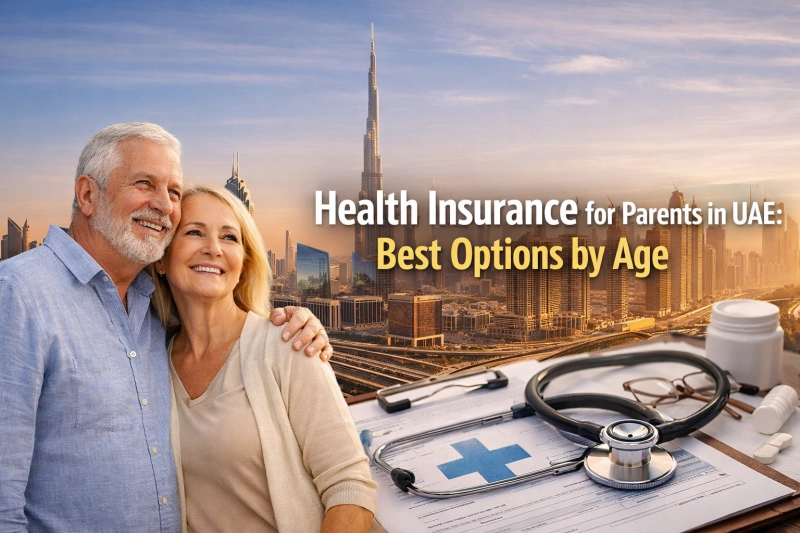
The Future of Health Insurance in Dubai: Trends and Predictions
Dubai’s health-insurance market is evolving at an unprecedented pace. COVID-19 may have accelerated these changes but it also created opportunities for insurers to reshape the sector. With residents’ expectations and healthcare needs shifting, Dubai stands at the forefront of this transformation.
According to Alpen Capital, the UAE health insurance market is estimated at USD 10.5 billion in 2024 and is projected to grow to USD 18.8 billion by 2029. Population growth, stricter federal compliance and technological adoption are key drivers of this expansion.
The implementation of mandatory employer-funded coverage across all seven emirates, effective 1 January 2025, will add nearly one million previously uninsured workers to the insurance pool.
Rising Market Size and Regulatory Impact
With more insured lives the risk pool broadens leading analysts to predict that individual premiums will rise only 3–5% annually, significantly lower than the 15% hikes seen in 2023.
Insurers and employers must now audit plans for federal compliance while individuals are advised to review coverage to ensure adequate protection. Platforms like insurancehub.ae help both employers and residents navigate these changes efficiently.
Technology Driving the Future of Health Insurance
Dubai is leveraging cutting-edge technology to make healthcare coverage more efficient, personalized and transparent. Key innovations include
- AI and Predictive Analytics
Insurers are using anonymized DHA claims data to model chronic-disease risk and determine fairer premiums. By 2027 dynamic pricing that rewards proactive health behavior such as gym attendance or wearable monitoring will become common.
- Telehealth 2.0
While COVID-19 normalized virtual consultations the next wave will include remote diagnostics using connected devices like digital stethoscopes and otoscopes. Insurers are expected to bundle unlimited telehealth with mid-tier plans by 2026, improving access and convenience.
- Fraud Detection with AI
Machine-learning algorithms flag duplicate or exaggerated claims in real time. With fraud consuming up to 7% of UAE health-insurance spend AI allows insurers to redirect resources to legitimate benefits.
- Embedded and On-Demand Insurance
E-commerce and wellness platforms are integrating short-term medical policies at checkout or in-app. Tourists booking desert safaris or employees using wellness apps can instantly add micro-coverage enhancing engagement and convenience.
- Data-Driven Underwriting Programs
AI-powered underwriting, RPA and behavioral analytics are streamlining approvals and reducing errors. Insurers can now detect misrepresentation or fraud quickly improving efficiency and customer satisfaction.
Focus on Mental Health and Preventive Care
The Dubai Health Authority recognized psychotherapy as a reimbursable outpatient service in 2024. Cashless mental-health sessions are expected to become a standard feature appealing to millennials and Gen Z workers.
Preventive care is also gaining prominence. ESG-aligned wellness programs including annual screenings, nutrition coaching and smoking-cessation initiatives help reduce risk while qualifying insurers for reduced capital requirements.
Collaboration Across the Ecosystem
Dubai’s health-insurance future relies on seamless collaboration between insurers, healthcare providers and technology firms. This connected ecosystem ensures smooth data exchange, faster claims processing, lower administrative costs and a more patient-centered experience.
Recommendations for Employers and Individuals
- Employers
- Audit existing plans for compliance with federal mandates
- Invest in wellness add-ons to reduce absenteeism and claims costs
- Use analytics dashboards through platforms like insurancehub.ae to track utilization and identify cost drivers
- Individuals
- Start proactive health monitoring. Wearable data may soon influence premium pricing offering potential savings up to 15% by 2027
- Compare plans via trusted brokers to ensure comprehensive coverage at competitive rates
Conclusion
The future of health insurance in Dubai is data-driven, technology-enabled and inclusive. From AI-powered underwriting and telehealth advancements to embedded policies and mental-health coverage the sector is transforming rapidly. By staying informed and leveraging platforms like insurancehub.ae both residents and businesses can secure flexible, cost-effective and forward-looking health coverage tailored to tomorrow’s healthcare realities.