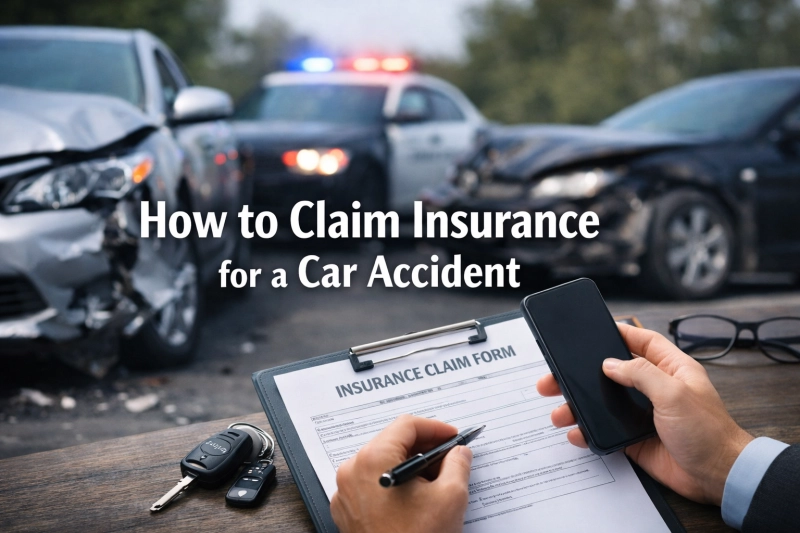
Getting into a crash is stressful, but a clear process helps you protect your rights and get back on the road faster. This step by step guide explains what to do in the UAE, from the moment the accident happens until your car is repaired and the claim is closed. Keep it simple, stay safe, collect the right evidence, and follow insurer deadlines to avoid delays.
First steps at the scene
Safety comes first. Stop the car, switch on hazard lights, and move to a safe spot if possible. Check for injuries and call 999 if anyone needs medical attention. Do not argue on the road. Take photos of vehicle positions, damage, skid marks, junctions, and road signs. Exchange details, names, Emirates IDs, phone numbers, plates, and insurance policy numbers. If there are witnesses, record their contacts too. Avoid admitting fault, simply document facts and wait for the authorities.
Report the accident and get the police report
In the UAE you must report accidents through Dubai Police, Abu Dhabi Police, or the relevant emirate authority app or hotline. Follow instructions, share your location, and wait for the official assessment. The police report, green, red, or sometimes black depending on severity, assigns responsibility and is required by insurers. Request a clear copy or digital version and confirm vehicle details are accurate to avoid processing issues.
Notify your insurer and submit documents
Call or notify your insurer through the app or portal as soon as possible, ideally within 24 hours. Provide the police report, photos, your driving licence, registration card, and policy number. Describe the incident briefly and honestly. Ask about your deductible and whether your policy includes agency repair or garage repair, roadside assistance, hire car benefits, and natural perils cover. Keep copies of everything you send. For a city specific walkthrough, see our guide on how do you claim insurance for car accidents in Dubai. To claim insurance for car accident efficiently, notify within 24 hours and keep all receipts.
Repair process and settlement
Your insurer will assign a surveyor or direct you to an approved workshop. The shop prepares an estimate, parts availability is checked, and your insurer approves repairs after you pay the deductible if applicable. If your policy allows agency repair, the car goes to the dealer service centre. For total loss cases, the insurer compares repair costs with the insured value and proceeds accordingly. Keep in touch for updates.
Common mistakes that delay claims
Delays often happen when drivers skip the police report, report late, or give incomplete information. Avoid admitting fault at the scene. Do not repair the car before inspection. Use approved garages, follow reporting timelines in your policy, and keep receipts for towing or recovery if included. Declare prior damage honestly to prevent disputes.
Timelines and expectations
Turnaround varies by insurer, severity, and parts availability. Simple bumper repairs may take a few days, while complex jobs and agency repairs can take longer. Use the table below as a general guide, always check your policy wording and your insurer’s notifications.
| Step | Typical timeframe | What to do |
|---|---|---|
| Report to police | Immediately to within 24 hours | Call authorities, get report number |
| Notify insurer | Same day to 48 hours | Submit report, photos, documents |
| Survey and approval | 1 to 3 working days | Confirm deductible, repair location |
| Repair | 2 to 7 working days | Track parts, request updates |
| Final settlement | Within 7 to 15 days after repair | Check invoice, collect car |
Using add ons and benefits
Review your policy for benefits that can help. Roadside assistance can tow the vehicle to an approved workshop. Personal accident cover pays fixed benefits to injured occupants. Natural perils cover supports flood or storm damage claims. If your plan includes a courtesy car, ask how to arrange it while you claim insurance for car accident repairs and approvals.
When the other driver is uninsured or uncooperative
Stay calm and focus on documentation. The police report will record facts and responsibility. Your comprehensive policy should still handle your repairs after the deductible, subject to terms. If you only hold third party cover, you may need to pursue the other party privately. Keep your insurer updated, they can advise next steps.
Documents checklist
Prepare a simple bundle before you reach the workshop or submit online. This should include the police report or report number, your Emirates ID, driving licence, vehicle registration card, insurance policy copy, photos of the scene and damage, and any dashcam footage. Add towing or recovery receipts if you paid out of pocket, plus any witness contacts. Label files clearly with your name, plate number, and the date, which helps the insurer review faster and reduces back and forth.
Tip for faster approvals
Upload clear photos and ensure your contact number and email are correct to avoid missed updates promptly.
Claiming should be predictable. Stay safe, document everything, report promptly, and follow your policy conditions. If you want help choosing a policy that makes it easier to claim insurance for car accident events in the future, compare and buy online at insurancehub.ae, where advisors and transparent quotes help you select the right excess, benefits, and repair options.